How Service Portals Can Improve Citizen Experience
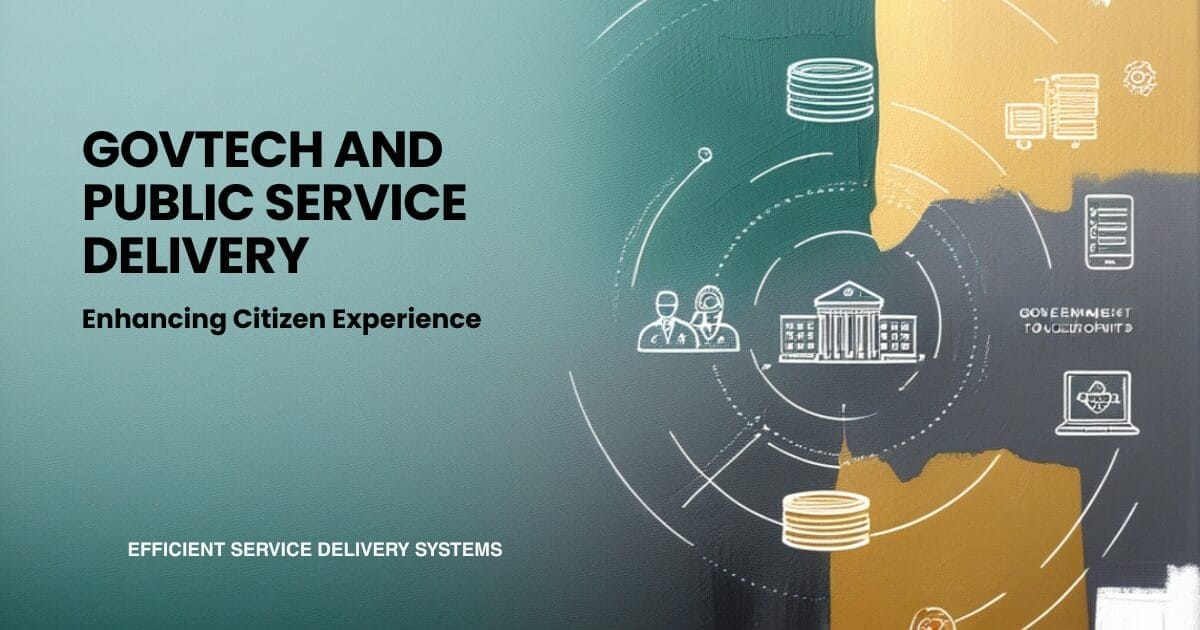
Government service portals—digital platforms through which citizens access multiple government services—represent one of the highest-impact investments in GovTech. When well designed, they transform the experience of interacting with government from a frustrating, time-consuming, in-person ordeal into a fast, accessible, remote transaction. When poorly designed, they add a digital layer to existing bureaucratic complexity without improving the underlying citizen experience.
What Makes a Government Service Portal Effective
Citizen Journey, Not Government Structure
The most common design failure in government portals is organising them around the government’s internal structure—”Ministry of Education,” “Ministry of Finance,” “FIRS portal”—rather than around the citizen’s actual need. A citizen who wants to register a child for school does not know or care which ministry handles what aspect of the process. An effective portal organises by citizen need—”register a child for school”—and handles the multi-agency coordination invisibly in the background.
Mobile-First Design
In Nigeria, the majority of internet access is through mobile devices. A service portal designed for desktop computers will fail most of its intended users. Mobile-first design means building for the smallest screen and least reliable connection first, then enhancing for larger screens and better connectivity—not building for desktop and then trying to make it work on mobile.
Status Tracking and Transparency
One of the most-cited citizen frustrations with government services is not knowing what is happening with their application. Even when physical processing times remain the same, digital status tracking—notifications at each stage, clear expected timelines, contact information for queries—dramatically improves citizen satisfaction. Knowing where your application stands is itself a form of service quality.
Accessible Language and Design
Government portals frequently fail citizens with low literacy by using complex language, jargon-heavy instructions, and processes that assume high digital literacy. The best portals use plain language, visual aids, and step-by-step guidance that works for citizens who are using digital government services for the first time.
The Passport Processing Precedent
My personal experience with Nigeria’s passport processing system—which inspired a digital intervention I have written about elsewhere—illustrates the stakes. That experience demonstrated both the frustration of poorly designed processes and the transformative potential of digital redesign. Service portals done well have exactly this potential: transforming interactions that were once among citizens’ worst government experiences into ones that build trust and confidence in public institutions.
Key Takeaways
- Effective service portals organise around citizen needs and journeys, not government organisational structures.
- Mobile-first design is not optional in Nigeria—it is the baseline requirement for reaching the majority of citizens.
- Status tracking and transparent timelines improve citizen satisfaction even when processing times do not change.
- Plain language and visual guidance make portals accessible to citizens with limited digital literacy.
- Portal design must be continuously evaluated against actual citizen usage data—not just usability testing at launch.
Frequently Asked Questions
What is the difference between an e-government portal and a GovTech service portal?
Traditional e-government portals often digitise existing processes without redesigning them. GovTech service portals redesign the citizen experience from the ground up—eliminating unnecessary steps, integrating across agencies, and using technology to deliver genuinely better outcomes rather than digital versions of analogue processes.
How should African governments prioritise which services to include in a portal first?
Prioritise by: volume (highest-demand services first, for maximum citizen impact); pain (services with highest citizen satisfaction problems); and feasibility (services where the backend processes can realistically be integrated with available data infrastructure). Phased rollout based on these criteria produces better results than trying to launch everything simultaneously.
About the Author
Suleiman Isah is the Director General of NSITDEA and a practitioner of citizen-centred digital service design in Niger State. Read more.
Related: GovTech Pillar Page | Digital Transformation for African Governments